
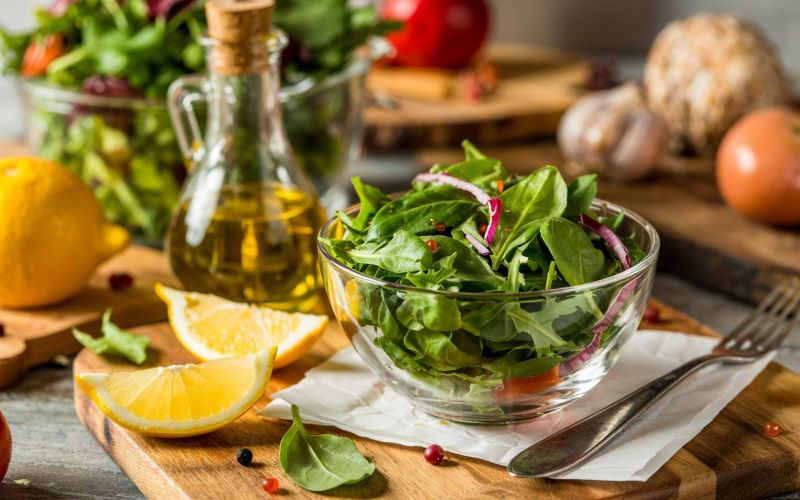
Let’s be real—salads are often misunderstood. Some people think of them as boring bowls of greens that are just a side dish. But throw in the right dressing? Boom—your salad goes from “meh” to “more, please!” Now imagine doing that without a drop of oil. Yep, we’re talking about oil free salad dressings that are flavorful, vibrant, and surprisingly easy to whip up at home.
As someone who’s danced through every diet trend—from keto to clean eating—I’ve learned one golden rule: you don’t need oil to create delicious salad dressings. In fact, once I ditched oils from my dressings, my energy levels soared, my skin got clearer, and my digestion thanked me. So, if you’re just starting out or looking for a fresh reset, stick around—I’m sharing everything I’ve learned about going oil-free in the tastiest way possible.
Table of Contents
Why Go Oil-Free? The Real Reason Behind the Trend
I used to drizzle olive oil like it was liquid gold. Sound familiar? But here’s the kicker: most oils are 100% fat and stripped of nutrients. Even the fancy ones like avocado or coconut oil. Now, I’m not demonizing fats—our bodies need them—but we can get healthier fats straight from whole foods like avocados, nuts, and seeds.
Many people switch to oil free dressings because they’re:
- Easier on the gut
- Lower in calories
- Better for heart health
- Less inflammatory (especially seed oil free salad dressings)
What really got me was learning how oil, even the “good kind”, can interfere with nutrient absorption if used excessively. Plus, oil-heavy dressings often overpower the freshness of your veggies. Without oil, flavors shine through. Think tangy lemon, bold garlic, and the creamy smoothness of blended cashews.
So if you’re trying to cut back, go plant-based, or just feel lighter after meals, this is your sign to explore homemade oil free salad dressings. You won’t look back, promise.
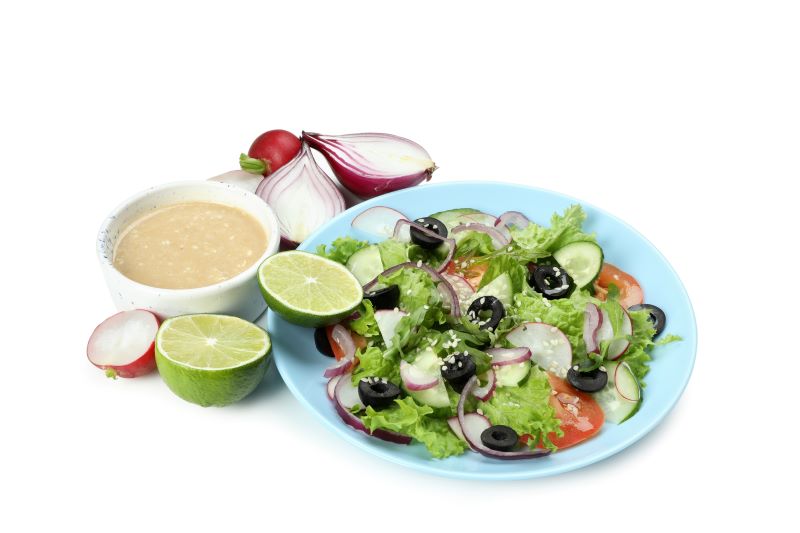
The Core Ingredients Of Oil Free Salad Dressings
Creating a rich and satisfying oil-free dressing isn’t magic—it’s just smart ingredient swaps. And trust me, once you understand the formula, you’ll start experimenting like a salad scientist.
Here’s what I always keep on hand:
| Ingredient Type | Examples | Purpose |
|---|---|---|
| Acid | Lemon juice, apple cider vinegar | Brightens, adds tang |
| Creamy Base | Tahini, cashews, white beans | Adds richness without oil |
| Liquid | Water, plant milk, broth | Adjusts consistency |
| Flavor Boosters | Garlic, onion powder, miso, mustard | Gives depth and complexity |
| Natural Sweeteners | Maple syrup, dates | Balances acidity |
| Herbs & Spices | Dill, cumin, paprika, parsley | Freshness and character |
One of my favorite combos? Blended white beans + lemon juice + garlic + mustard + a splash of maple syrup. It’s creamy, zesty, and shockingly addictive.
This also ties beautifully into the vegan oil free salad dressings world—plant-based foodies rejoice! Whether you’re meal prepping or tossing together a quick weekday lunch, this formula works every time.
Easy & Authentic Oil Free Salad Dressings Recipes
Let’s talk recipes. These are my tried-and-true favorites, the ones I’ve made for family BBQs, potlucks, and even skeptical friends (who later asked for the recipe).
1. Creamy Garlic Tahini Dressing
- 3 tbsp tahini
- 1 clove garlic (minced)
- 2 tbsp lemon juice
- 1 tsp maple syrup
- Pinch of sea salt
- Water to thin
Just whisk everything together. This pairs beautifully with kale, roasted sweet potatoes, or quinoa bowls. Think creamy Caesar vibes—without the guilt.
2. Spicy Southwest Bean Dressing
- ½ cup cooked white beans
- 1 tbsp lime juice
- ½ tsp cumin
- 1 tsp hot sauce
- 1 garlic clove
- Water as needed
Blend until smooth. This one’s a lifesaver for taco salads or even grain bowls. It’s basically salsa’s cool, creamy cousin.
3. Zesty Miso Mustard Dressing
- 1 tbsp white miso paste
- 1 tbsp Dijon mustard
- 2 tbsp apple cider vinegar
- 1 tsp maple syrup
- 2 tbsp water
Miso gives it that deep umami flavor—perfect for Asian-style slaws or tofu salads.
These oil free salad dressings recipes prove you don’t need processed fats to enjoy rich, satisfying flavor.
The Comparison: Oil-Free vs. Traditional Salad Dressings
Here’s a side-by-side to see why people are making the switch:
| Feature | Traditional Dressings | Oil-Free Dressings |
|---|---|---|
| Contains Oil | Yes | No |
| Calorie Dense | Very High | Low to Moderate |
| Nutrient Retention | Sometimes Reduced | Often Enhanced |
| Whole Food Based | Rarely | Frequently |
| Vegan Friendly | Not Always | Mostly, especially homemade |
| Seed Oil Free | Rarely | Often |
This chart doesn’t lie—oil free dressings aren’t just healthier; they’re smarter. Once you get the hang of them, you’ll wonder why you didn’t make the switch sooner.
The Surprising Link Between Dressings And Dessert
Okay, this may sound wild—but stick with me.
You know that moment when you serve up a perfectly dressed salad, and your guests look at you like you’re the next MasterChef? Yeah, that’s the same feeling I get when I serve up a chilled bowl of millionaire cheesecake salad (seriously, check out my Homexan recipe here).
Both feel indulgent, both leave you satisfied, and both show that healthy and delicious aren’t opposites. It’s about balance, not deprivation. And just like you can enjoy dessert without guilt, you can enjoy salads without drowning them in oil.
How To Store Homemade Oil Free Dressings
Here’s the deal—since these dressings don’t have preservatives, they won’t last forever. But they do stay fresh longer than you might think.
Storage Tips:
- Refrigerate immediately in airtight containers.
- Use within 5–7 days.
- For creamy dressings, give them a good shake or stir before using.
- Some can even be frozen—especially bean-based ones.
Pro Tip: Store them in mini mason jars so you can grab-and-go. It’s like having your own salad bar at home.
FAQ’s
Q1: Are oil free salad dressings healthy?
A: Absolutely. They’re usually lower in calories and saturated fats. Plus, many are made with whole-food ingredients that support heart health and digestion.
Q2: Do vegan oil free salad dressings taste bland?
A: Not at all! When you use the right ingredients—like miso, mustard, lemon, and garlic—you can build layers of bold, tangy, and savory flavor.
Q3: Can I buy oil free dressings at the store?
A: Some brands offer them, but be sure to check the labels. Many still sneak in seed oils or additives. Homemade is often the cleaner choice.
Q4: What’s the difference between oil free and seed oil free salad dressings?
A: Great question. Oil free means no added oils, period. Seed oil free specifically avoids oils from seeds (like canola or sunflower), which some people avoid due to inflammatory concerns.
Q5: How do I thicken oil free salad dressings?
A: Use creamy bases like blended beans, tahini, or even soaked nuts. You can also add chia seeds or a touch of oats for extra thickness.
Final Thoughts
Switching to oil free salad dressings isn’t just about skipping calories—it’s about feeling good in your skin, eating mindfully, and embracing real ingredients. It’s also about reconnecting with the joy of food—the textures, the flavors, the memories.
I still remember the first time I brought my white bean garlic dressing to a family picnic. My aunt, a lifelong ranch-lover, asked me for the recipe. That’s when I knew I was onto something.
So go ahead—play with flavors, test textures, and most of all, have fun. Your salad deserves more than just oil.
And if you’re still craving a little something sweet after, treat yourself to a bowl of our Millionaire Cheesecake Salad from Homexan. Because healthy living should never feel like a punishment.